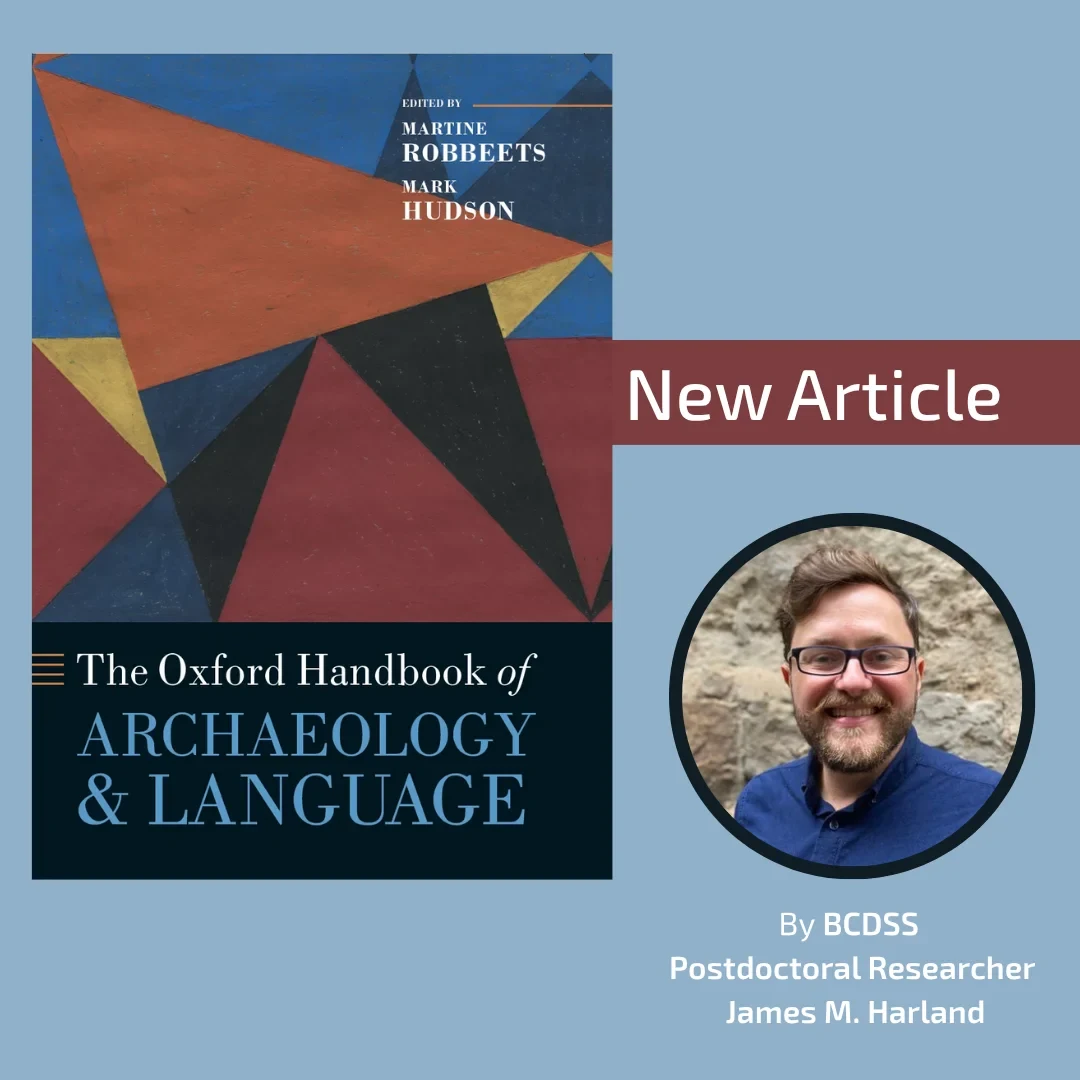
This volume, part of the Oxford Handbooks Series, provides a comprehensive and up-to-date overview of how archaeology, genes, and language can be combined to shed light on the human past. Our understanding of human prehistory has been revolutionized in recent years by the growth of interdisciplinary perspectives, and particularly by insights from the study of ancient DNA. At a time when the 'Big Data' movement in genetics and archaeology is beginning to make inroads into linguistics, The Oxford Handbook of Archaeology and Language sets the agenda for future research in the discipline of archaeolinguistics.
The handbook is divided into three parts. The first part introduces the basic frameworks of archaeolinguistics, addressing recent trends and new perspectives. Chapters in Part II explore the application of archaeolinguistics to different stages in human history, from hunter-gathering via the adoption of farming and the rise of writing to modern times. Part III features regional case studies from different parts of the world, including not only Indo-European but also Uralic, Transeurasian, Sino-Tibetan, Paleosiberian, Tai-Kadai, Austronesian, Papuan, Australian, Afrasian, Nilo-Saharan, Niger-Congo, Kalahari Basin, Andean, and Lowland South American languages. In illustrating the extent to which linguistic, archaeological, and genetic histories align or differ, the volume goes beyond the level of 'broad brush' approaches by engaging specialists from a range of disciplines as co-authors, shedding light on language dynamics from multiple perspectives.