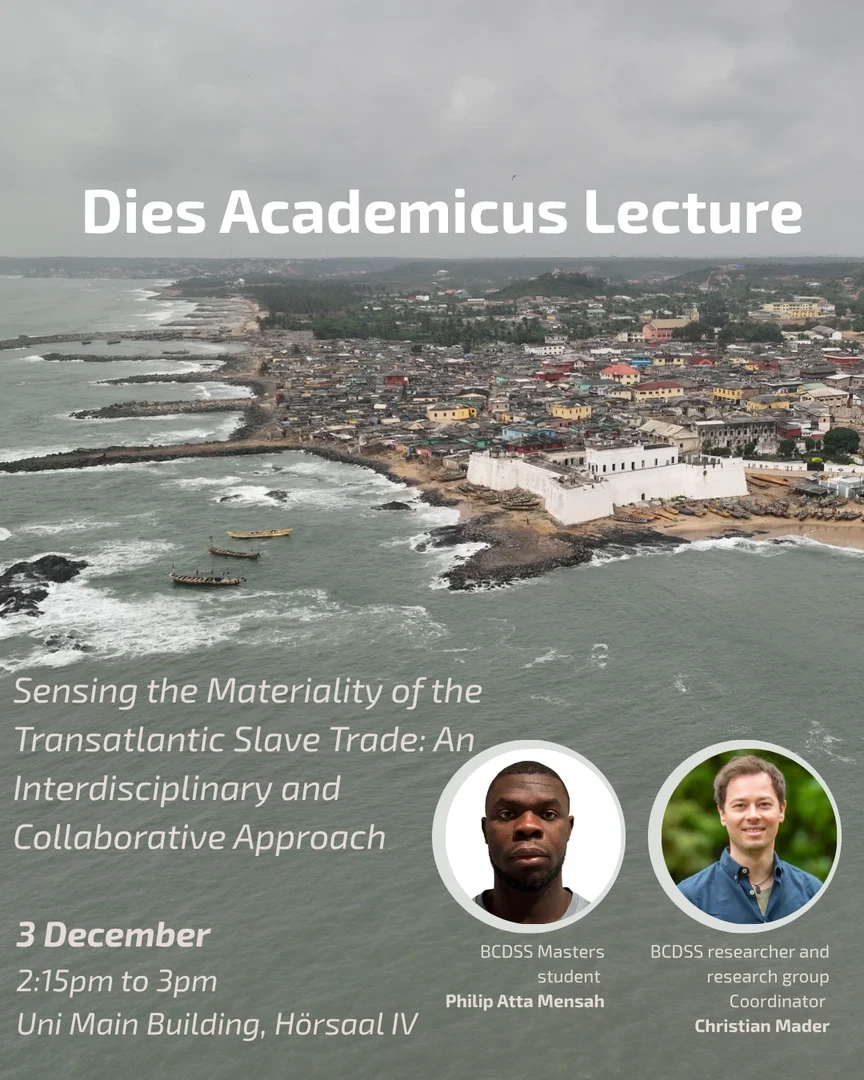
Can we identify a material signature for slavery and colonialism, something visible, tangible, and enduring that reveals how the Global North amassed wealth while leaving the Global South in dependency? The West African coast offers such a landscape. Its European forts and castles, central to the transatlantic slave trade between the 15th and 19th centuries, stand as powerful reminders of the physical and moral infrastructures of empire.
This lecture will focus on Fort William in Ghana, a crucial hub in the British slave trade through which tens of thousands of enslaved people were forced to pass on their way to the Americas. The ongoing research project at Fort William adopts an interdisciplinary approach, merging material culture analysis, digital archaeology, archival study, and community-based research with multi-sensory ethnographic methods.
By emphasizing the material, phenomenological, and sensory dimensions of slavery and colonialism, this research reframes Fort William, and similar European-built sites, not just as logistical centers of imperial commerce and violence, but as enduring spatial and symbolic structures that continue to shape social, political, and environmental realities in postcolonial contexts.
Ultimately, this project contributes a new lens to Atlantic slavery studies, bridging archaeology, heritage debates, and contemporary discussions on how the colonial past continues to inform global inequalities today.