Dependency and Slavery Studies Series (DSS)
Our "Dependency and Slavery Studies" (DSS) Series is made up of monographs and edited volumes published by De Gruyter Publishing House. Based on BCDSS research projects and aimed at a wide professional readership, the books reflect the cluster's research methods and wide-ranging interests in history, regional studies and cultural science. Manuscripts submitted for publication in the book series undergo a double-blind peer review process. The editors of this book series are Jeannine Bischoff and Stephan Conermann.
Would you like to contribute to the "DSS"? Proposals can be submitted by anyone. Please ensure your contribution is clearly connected to the BCDSS’s concept of Strong Asymmetrical Dependency. If you would like to submit a proposal please contact publications@dependency.uni-bonn.de.
OPEN ACCESS
Once published, all volumes of our "Dependency and Slavery Studies" Series are free to download via Open Access.

Stephan Conermann and Toru Miura (eds.): The Mamluk Sultanate, Medieval Japan and Beyond - Strong Asymmetries in Social Relations Compared
The systems of rule and the social structures of medieval Europe, the Mamluk Sultanate, and medieval Japan show a basic similarity: all three were hierarchical systems in which social relationships were characterized by dependency (e.g. Lehen, iqṭāʿ, shōen). Between the eleventh and fifteenth centuries, mounted warriors (knights in Europe, Mamluks in West Asia, bushi in Japan) became the mainstay of military and political power in both Asia and Europe. The Japanese shōen system emphasized strong loyalty of retainer to lord and cultivator to domain lord. However, the Kamakura lord was no sovereign with absolute power, even though he was leader of the bushi, and provincial warriors united to negotiate their positions. In the iqṭāʿ system of the Mamluk Sultanate, Mamluk soldiers were awarded the right to collect taxes from land temporarily granted to them. But when the elite military status of Mamluks was limited to a single generation, they worked to establish relationships through intermarriage and waqf donations. This edited volume looks at the systems of rule and the social structures of the Mamluk Sultanate and Medieval Japan, analyzing the basic parallels of hierarchical systems characterized by multiple dependencies at different levels of society.
Dependency and Slavery Studies Series, Vol. 34
November 2027
Raphael Dohardt, Teresa Göltl, Amalia S. Levi (eds.): Immaterial and Material Archives in the Caribbean - New Sources and Approaches
Immaterial and material archives are the foundations of memory making and historiography, in the Caribbean as much as elsewhere. This volume offers a nuanced, interdisciplinary examination of the intricate relationships between archives and society. It focuses on interrelations of material culture, immaterial practices, and practice-based approaches to memory making and history, to explore these dimensions. As both institutions and metaphorical concepts, archives stand for the conservation and the interpretation and control of imaginaries of the past. In (post)colonial societies, this past has significance for present generations as a reference point in society, politics, and economics.
This volume explores these multifaceted aspects of archives through an interdisciplinary approach, including perspectives from disciplines in which this notion has figured less prominently, such as geography and economics. It also draws attention to alternative sources and archives in the Caribbean that go beyond mainstream institutions. Therefore, several papers in this volume reflect participatory research, interviews with local artists, family archives, intangible culture, and the built environment.
Dependency and Slavery Studies Series, Vol. 33
October 2026

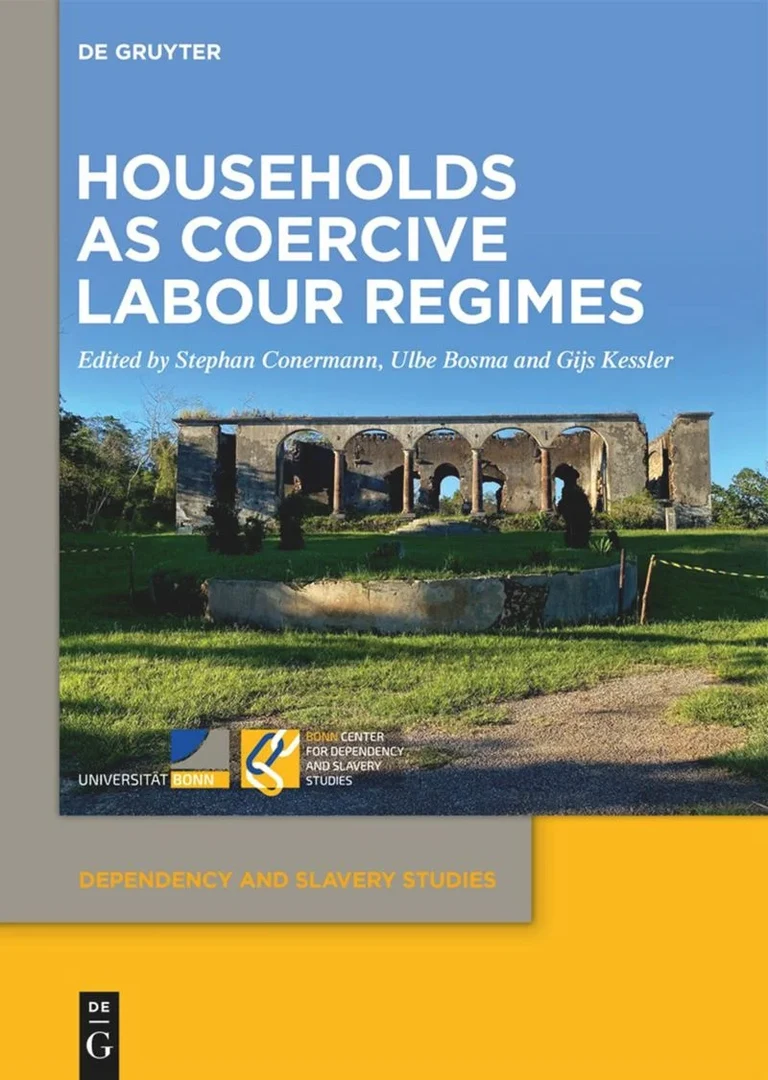
Stephan Conermann, Ulbe Bosma, Gijs Kessler (eds.): Households as Coercive Labour Regimes
All households analyzed in this collection represent labour regimes which are based on an asymmetrically dependent workforce consisting of servants, peasants, enslaved and other coerced labourers. A coercive labour regime would then be a labour regime in which compulsion and asymmetrical dependencies play a crucial role. Various forms of such labour regimes have existed throughout human history in all parts of the globe. The authors of this volume focus on coercive labour regimes through the lens of the household. We inquire into the various forms, functions, developments, justifications and changes of the different types of coerced labour we can identify in these households. This is emphatically not to say that households are always and necessarily coercive institutions. Particularly but not exclusively family households are also affective frameworks that provide essential moral sustenance and a sense of belonging. It is precisely because of these powerful emotional frameworks that households can emerge as potent instruments of coercion. Intrinsic motivation is involved in many household tasks, which unfortunately also increases susceptibility for coercion.
Dependency and Slavery Studies Series, Vol. 32
August 2026
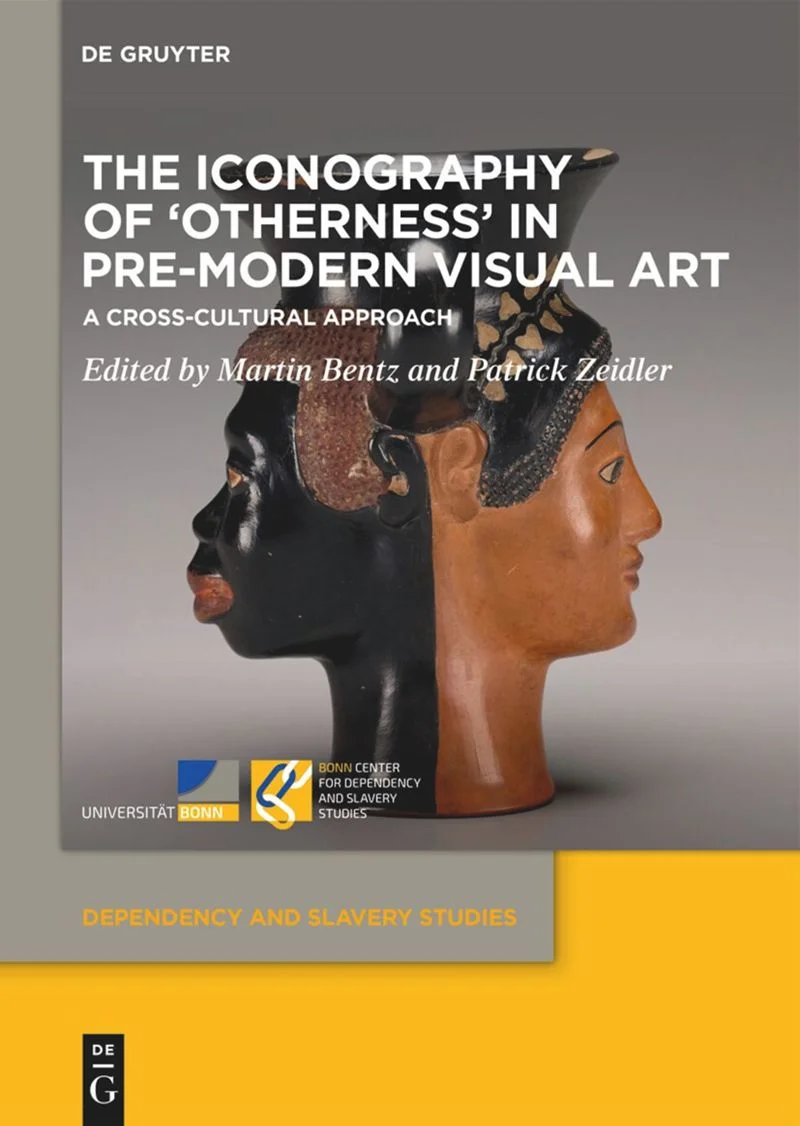
Martin Bentz and Patrick Zeidler (eds.): The Iconography of 'Otherness' in Pre-Modern Visual Art - A Cross-Cultural Approach
The concept of ‘otherness’ or ‘othering’ has been a prominent topic in sociology and anthropolo-gy in the last decades. It has also recently been examined in historical disciplines, particularly with regard to pre-modern times, and taken from philological, historical, and visual studies perspec-tives. In the past, however, most of these studies on ‘otherness’ and similar phenomena, such as (social) inequality, dependency, and inclusion/exclusion, focused on specific regions, cultures, and periods. In contrast, the methodological approach used in this volume, is based on transcul-tural and diachronic comparisons. This allows us to look at a broad range of images of ‘others’ stemming from different pre-modern societies (prior to 1800 CE) around the globe and to com-pare the role of ‘otherness’ and the use of ‘othering’ as a pictorial strategy in various historical contexts. The volume includes case studies from Bronze and Iron Age Near East and Egypt, Late Bronze Age and Archaic-Classical Greece, pre-Roman Italy, Medieval and Early Modern Europe as well as pre-modern South Asia.
Dependency and Slavery Studies Series, Vol. 31
June 2026

Anka Steffen, Samuel Eleazar Wendt, Jutta Wimmler (eds.): Re-Thinking German Colonialism - Dependencies in Trade, Production and Consumption (16th–21st Centuries)
Research of the past twenty years has revealed the deep connections between colonial spaces and Central European trade, production, and consumption in the early modern period. This book argues that the results of this research need to be integrated into our understanding of "German colonialism" on a conceptual level. Bridging research on "early modern" and "modern" colonial-isms, the papers in this volume suggest that we need to take the specific character of Central European entanglements with global spaces more seriously. At the same time, the book exam-ines the analytical boundaries of "Germany" and the importance of a transnational perspective for Central and Northern European involvements with colonialism. Zooming in to questions of dependency, the individual contributions interrogate the scope of action of differently posi-tioned actors, often generating surprising results about the possibilities and limits of agency. The ten thematic papers are framed by a historiographical essay and an introduction that proposes a framework for thoroughly re-thinking how we might conceptualize "German colonialism" moving forward.
Dependency and Slavery Studies Series, Vol. 30
July 2026
Esther Gardei, Marion Gymnich, Charlie Schwall, Hans-Georg Soeffner (eds.): Images of War Captivity from 1870 to the Present
War captivity is a prolific field of research for studies on strong asymmetrical dependency. The contributions in the present volume examine how POWs and civilian internees in different military conflicts, including the Franco-Prussian War of 1870/71, the two world wars, and the war in Bosnia, have been represented in visual sources. The images of war captivity addressed in the contributions are as heterogeneous as the contexts in which they were produced; they include allegorical representations and official press photographs, amateurish snapshots and propagandistic film recordings, self-drawn camp albums and comics commemorating war. What they have in common, however, is that they not only offer information about POWs and civilian internees but also interpret and emotionalise their experience. Visual sources may, for instance, document how POWs were treated in a particular camp, but they may also stress a certain amount of agency of the POWs; in addition, they may come to play a vital role in how the detaining power is remembered. Images provide evidence of atrocities and comparatively humane treatment alike – and thus may be relevant to the question whether reconciliation might seem possible in the long run.
Dependency and Slavery Studies Series, Vol. 29
2026
Cristina de la Puente, Karen Moukheiber, Serena Tolino (eds.): Slavery and the Shaping of the Premodern Muslim Family
Slavery and the Shaping of the Muslim Family delves into the wide-ranging and complex subject of slavery within the familial sphere of Islamic societies. For too long, secondary literature has treated the family and slavery as separate domains, overlooking the ways in which enslaved individuals were deeply embedded in domestic life. Contemporary research increasingly recognises that the presence and participation of slaves within households were crucial to the formation of both family structures and broader social frameworks in the Islamic world.
Bringing together the work of distinguished historian-philologists specialising in diverse regions of the Islamic world, the book examines this theme through a variety of genres – including Islamic jurisprudence, literature, and mysticism. What unites these contributions is a shared commitment to primary sources and a rigorous approach to historical inquiry. While the majority of the chapters address the premodern era, the volume also includes work that extends into the eighteenth century, enriching the discussion with a wider chronological perspective.
This volume underscores the value of approaching social history from an intersectional perspective – one that resists viewing the individual as a monolithic whole, and instead attends to the multiple dimensions of identity that inform and mediate social relations across varied contexts, both spatial and temporal.
Dependency and Slavery Studies Series, Vol. 28
2026
Sinah T. Kloß, Andrea Gremels and Ulrike Schmieder (eds.): Competing Memories of Enslavement, Emancipation and Indentureship - The Politics of Remembering in the Caribbean
Competing Memories focuses on the politics of remembering enslavement, emancipation and indentureship in Caribbean contexts. The contributions explore constructions and representations of plural and divergent memories across academic disciplines. As understandings of ‘history’ and ‘memory’ may vary, the volume addresses the different and strategic ways these concepts are used within and in relation to the Caribbean. It highlights how historical narratives and cultures of memory are implemented, removed, contested and remodeled in monuments, art, historical archives, literature, film and other kinds of representation all over the Caribbean, its diasporas and in former colonizing countries. With its focus on cultural memory studies, it provides new impulses to slavery and dependency studies. It also contributes to a global debate aimed at gaining a deeper understanding of the complex dynamics of memory formation in the context of colonial violence and trauma. It invites readers to reflect on the power dynamics involved in the processes of remembering, forgetting, memorizing, recollecting and commemorating.
Dependency and Slavery Studies Series, Vol. 27
2026

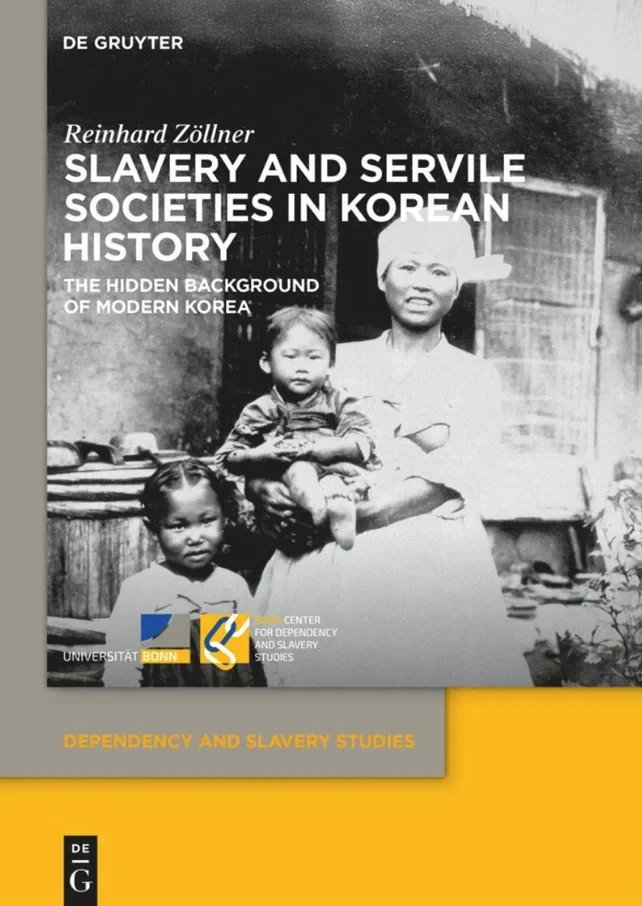
Reinhard Zöllner: Slavery and Servile Societies in Korean History - The Hidden Background of Modern Korea
This study examines the long-overlooked institution of slavery in Korea, challenging its erasure from historical narratives and reassessing its role within the country's socio-political structure. It explores how slavery, deeply embedded in a lineage-based aristocracy, functioned not only as an economic driver but also as a hereditary status system that reinforced elite dominance and self-preservation. Using the concept of "servile society" (a society in which strong asymmetrical dependency is linked to hereditary social status in law and custom), the book examines how hereditary dependency shaped elite power, governance, and social hierarchies over centuries. The study combines political and legal history, social structures, and ideological frameworks to present the latest research on slavery in ancient Korea. It examines how slaves were constructed as a "special species" in the Korean Middle Ages, analyzes the role of slavery in the yangban-dominated society of the early modern period based on political-intellectual discourses and statistical data, and tracks the expansion of slavery discourses in Japanese and Western reception after c. 1800 based on texts and photographs; and examines the aftermath of slavery in the present.
Dependency and Slavery Studies Series, Vol. 26
2025
Stephan Conermann, Ulrike Schmieder and Michael Zeuske (eds.): Cultural Heritage and Slavery - A Perspective from the Caribbean
In the context of the global cultural heritage boom, community-based and national identity projects in the Caribbean intersect with the interest in cultural tourism to the region, including sites commemorating enslavement. In former plantation slavery societies, in which descendants of enslavers and descendants of enslaved Africans live together, power and property relations are still marked by the slavery past. Calls for reparations made on European states and local descendants of enslavers for the enslavement of African people are a source of political and social conflicts. This volume, appearing at the beginning of the Second International Decade for People of African Descent, refers to the tangible and intangible cultural heritage of enslavement and its long-term consequences in the Caribbean and Circum-Caribbean, such as Anti-Black racism and racialized social inequality. It treats sites of commemoration and of denial, the representation of enslavement and of African cultures in museums, and dominant discourses on national history as well as in counter-narratives of the descendants of the enslaved and Maroons. Chapters on Jamaica, Martinique, French Guiana/Suriname, Cuba, the Dominican Republic, Venezuela and Colombia reflect the diversity of collective memories and public history approaches towards material and immaterial vestiges of slavery. The book is intended for scholars, students, teachers and the wider public.
Dependency and Slavery Studies Series, Vol. 25
2025
Zeynep Y. Gökçe and Jennifer Leetsch (eds.): Ecological Interdependencies - Strong Asymmetrical Relations and More-than-Human Worlds
This volume interrogates the environmental humanities through the lens of asymmetrical dependencies: it is interested in investigating the relationship between the environment and asymmetrical power dynamics, an approach that sheds light on how historical and contemporary inequalities have shaped and still shape our social, political and cultural realities as they intersect with their respective ecosystems. In an attempt to bridge disciplines, the volume synthesizes diverse perspectives from the humanities and social sciences – anthropology, art history, cultural studies, archaeology, religious studies, political science, and literary studies –, attending to the tangled and often thorny relationships that form human and more-than-human existence. By incorporating ecological viewpoints and recognizing the agency of non-human actors, the book aims to amplify the often-overlooked voices of the marginalized, including those beyond the human realm. Understanding the intersections of power dynamics and human history requires acknowledging our deeply interconnected existence within a broader planetary context and this edited volume’s contributions offer a lens through which to rethink enduring questions of difference and dependency. These considerations are framed not as abstract or theoretical exercises but as deeply grounded in material realities shaped by histories of asymmetry, inequality and exploitation, thus challenging us to critically reframe notions of ecological inter/dependencies beyond the universalizing narratives of the Anthropocene.
Dependency and Slavery Studies Series, Vol. 24
2025
Nina Schneider: Child Labour Opponents and Their Campaigns in the Americas - A Global Perspective (1888–1938)
This book delves into the past and examines the origins of activism against child labour. It addresses a hitherto under-examined question: how and why did child labour develop into a key concern between the 1880s and 1930s? Who were the protagonists who first raised the issue of child labour as a global concern? The study aims to provide the first account of the history of diverse and locally grounded – but nationally and frequently globally connected – child labour opponents in the Americas, their motivations and campaigns, at the turn of the 20th century. I argue that, for the period between 1888 and 1938, one can identify similar protagonists, a joint goal, a broadly similar timing, common platforms, comparable campaigning mechanisms and many types of connections or entanglements across regions. Nevertheless, in contrast to the global anti-slavery movement, child labour opponents formed a loosely institutionalised network which lacked an international organisation that focused specifically on child labour. A global history approach to child labour opponents helps reveal large-scale patterns across societies and highlight similarities and differences between cases.
Dependency and Slavery Studies Series, Vol. 23
2025
Anas Ansar: Rohingyas and the Geographies of Precarity in Exile - Everyday Life in Bangladesh and Malaysia
Focusing on Myanmar’s Rohingya refugees in Bangladesh and Malaysia, this study provides an in-depth analysis of the contribution of historical legacies of exclusion, along with contemporary practices of marginalisation and otherisation to the transcendence of the precarity landscape. In light of the 2017 displacement of over a million Rohingya from Myanmar’s Rakhine state to neighbouring Bangladesh, the book offers a nuanced and empirically driven analysis of precarity across a wide spectrum at discrete and overlapping scales, shaped by statelessness, vulnerability, uncertainty, onward migration and everyday practices of exclusion. Bringing together the diverse manifestation along the lines of identity, status, space, mobility, gender and labour, the study proposes a comprehensive understanding of precarity, conceptualised as the ‘interconnected geographies of precarity’. Elucidating the intricate web of structural constraints that predate (in Myanmar) and are continually reconstructed and actualised (in exile), the book examines the continuum of precarity in extended transnational spaces – a phenomenon that is complex, non-linear, transitional and multi-faceted.
Dependency and Slavery Studies Series, Vol. 22
2025
Stephan Conermann and Roberto Hofmeister-Pich (eds.): Studies on Slavery in Brazilian and African History and Literature
Historically, Latin American political entities were structured by different forms of slave-labor that until the 19th century depended on transatlantic slave trade from Africa to the Americas. In this volume, scholars from Brazil, Germany, and Africa characterize different forms of serfdom in colonial times, picture slavery-based societies and explore aspects of dependency relations that emerged in the aftermath of abolition in Brazil and Africa.
Dependency and Slavery Studies Series, Vol. 21
2025
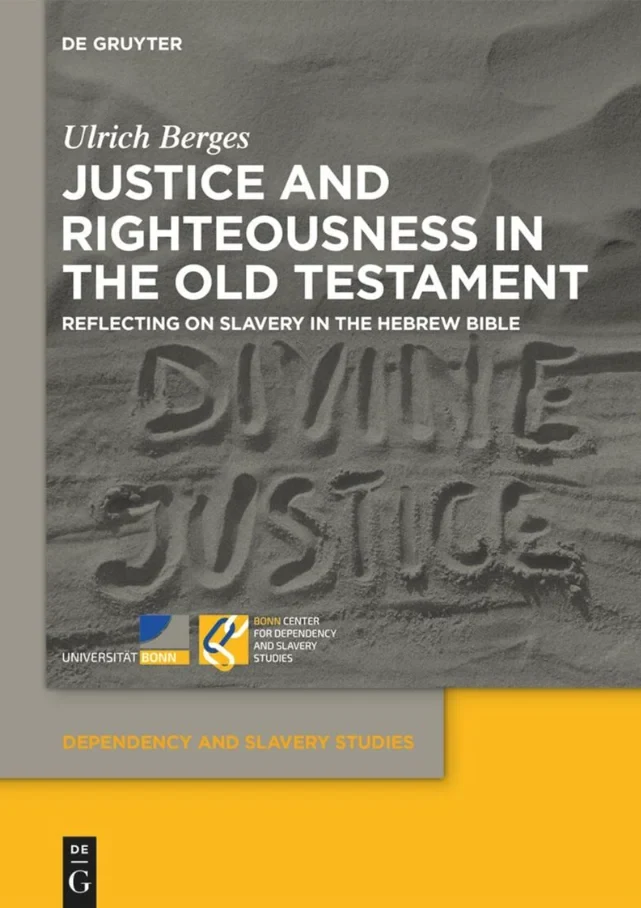
Ulrich Berges: Justice and Righteousness in the Old Testament - Reflecting on Slavery in the Hebrew Bible
The phenomena of slavery and asymmetrical dependencies in the writings of ancient Israel cannot be adequately addressed without also looking at the discourses on divine and human justice. Only then does the position of the slaves in their uniqueness become clear, because they are almost completely left out of the moral demand for justice that otherwise applies to the poor, widows, orphans and strangers. Their status as property, which only in exceptional cases allowed them to be considered as subjects with personal rights, dominates the discourse. On a theological level, the phenomenon of slavery also influenced the Old Testament image of God, as YHWH himself became the owner of his people. Liberation from slavery in Egypt lead not to freedom, but to permanent dependency on the liberating God. However, radical dependency on YHWH also means that the divine master must protect the righteous. Otherwise, YHWH would degenerate into an arbitrary tyrant. The demand for justice binds the divine sovereign. If one examines the discourses of justice in the Hebrew Bible about the position of slaves, their deficits become particularly visible. This should urge caution in declaring the biblical writings to be the forerunners of human rights.
Dependency and Slavery Studies Series, Vol. 20
2025
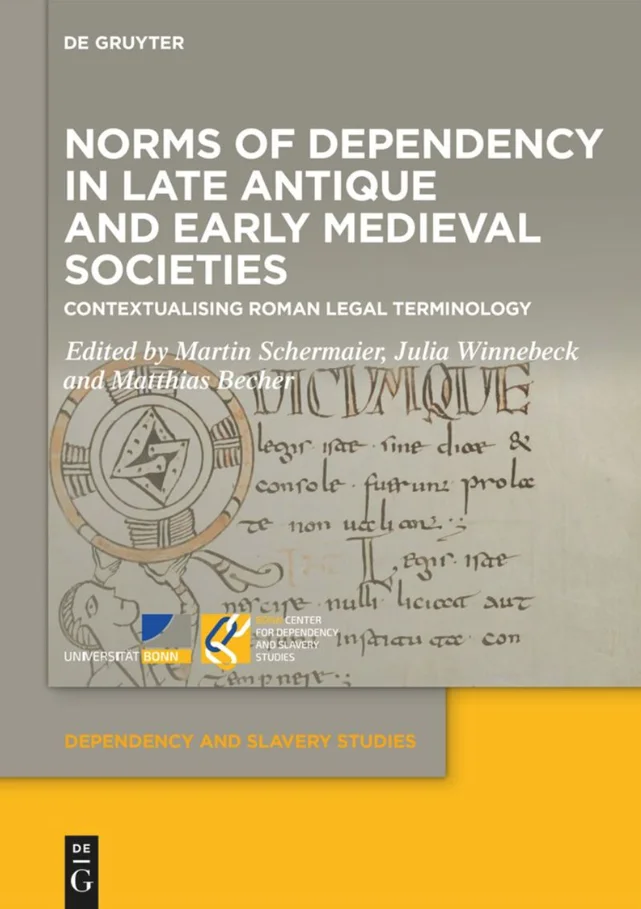
Martin Schermaier, Julia Winnebeck and Matthias Becher (eds.): Norms of Dependency in Late Antique and Early Medieval Societies - Contextualising Roman Legal Terminology
Late antique and early medieval normative sources frequently employ Roman legal terminology to denote a person’s legal inferiority, and thus suggest the continued relevance of the concepts associated with these terms. However, it is far from clear to what extent the use of identical terminology actually indicates the similarity of social phenomena. There is ample evidence of important changes regarding the rights and duties of enslaved persons and the development or emergence of other, new, forms of asymmetrical dependency. This raises the question to what extent consistency in terminology and legal practice is actually an indicator of the stability of social structures. Against this background, a group of scholars of legal, ecclesiastical, and social history were invited to a conference at the BCDSS in March 2022 to scrutinise different law codes and legal sources for their evidence of dependency. The result are these ten papers that truly enhance our understanding of slavery and other dependency relations in late antique and early medieval societies from c. 100 to c. 900 CE.
Dependency and Slavery Studies Series, Vol. 19
2025
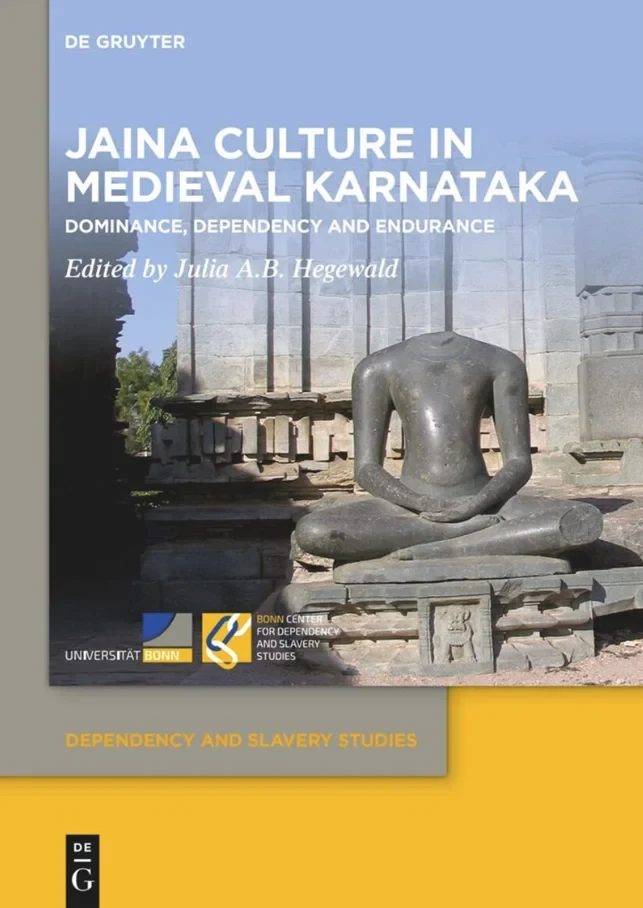
Julia A. B. Hegewald (ed.): Jaina Culture in Medieval Karnataka - Dominance, Dependency and Endurance
Why did the Jainas in Karnataka plunge from a position of supremacy into one of severe dependency?
After a steep and steady rise throughout the region from about the fifth century CE, Jaina influence waned dramatically from the late eleventh or early twelfth centuries onwards. In this publication, specialists in Indian history, religious studies and anthropology, as well as historians of art and architecture, discuss various expressions of this sudden and detrimental decline and explore the reasons for it, focusing in particular on the relations of the Jainas with Vīraśaivas and Muslims.
The evidence provided by the five international scholars, who offer insights from different disciplinal backgrounds, indicates that the reasons for the Jainas’ loss of authority in the region were manifold. Certain internal triggers, such as changes in Jaina social structure and religious practices, adversely affected their position over time. In particular, however, the withdrawal of royal patronage, the success of the Vīraśaivas as traders, and the emergence in the area at this time of a number of competing religious groups caused the Jainas to slip into a position of strong asymmetrical dependency.
Dependency and Slavery Studies Series, Vol. 18
2025
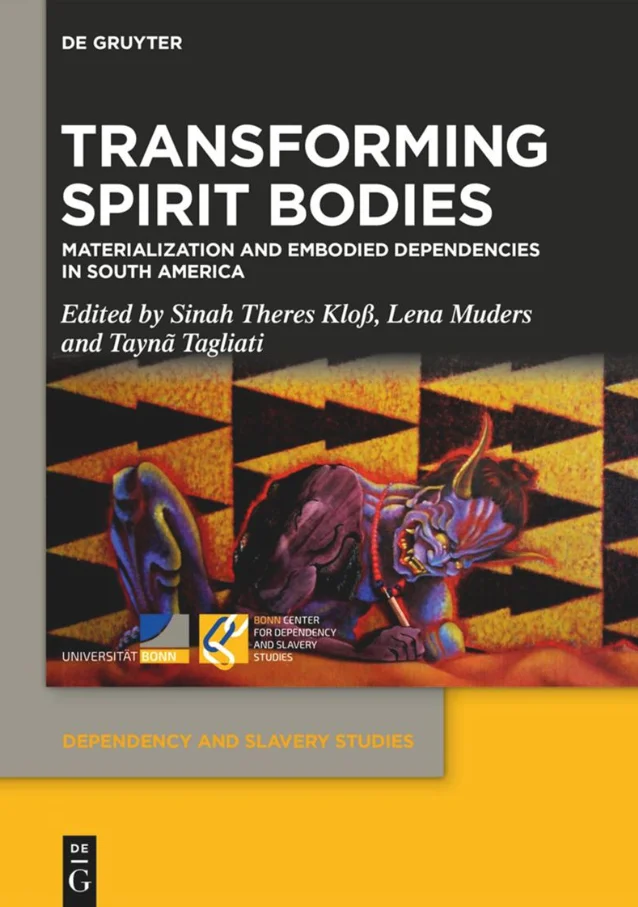
Sinah Theres Kloß, Lena Muders and Taynã Tagliati (eds.): Transforming Spirit Bodies - Materialization and Embodied Dependencies in South America
Transforming Spirit Bodies is an edited volume that focuses on the bodies and embodiments of spirits, their (im-)materialities, and their bodily transformations. The anthropological, sociological and archaeological contributions draw attention to the embodied experiences of asymmetrical dependencies among humans and spirits and how experiences of (inter-)dependence are negotiated in their interactions. Suggesting that more-than-human entities significantly contribute to agency in social interactions and power negotiations, the volume further highlights the ambivalent yet undeniable relationship between spirits and materiality. During the processes of materialization and dematerialization, in which spirit bodies transform and are transformed, more-than-human entities may share substances and agency with humans. Not only having material but also social dimensions, these dynamics are influenced by relations of power and dependency. Following posthumanist approaches, this volume therefore challenges the anthropocentric views that continue to dominate scholarly analysis of power relations, dependency, and coercion.
Dependency and Slavery Studies Series, Vol. 17
2025
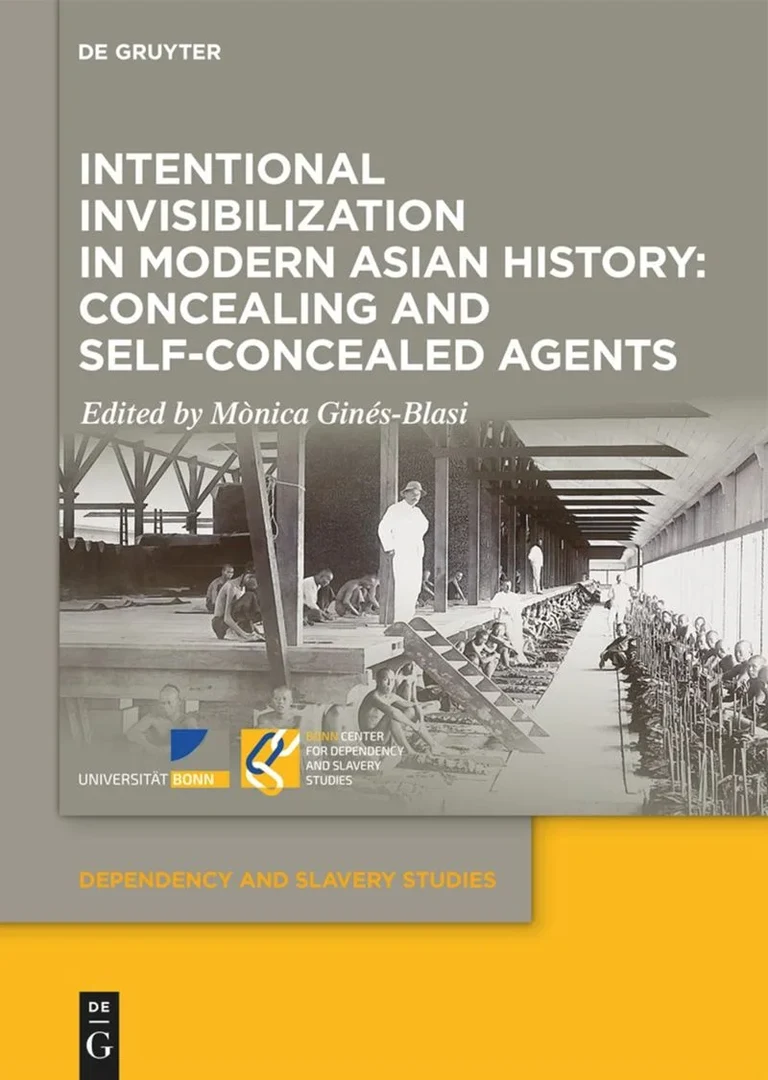
Mònica Ginés-Blasi (ed.): Intentional Invisibilization in Modern Asian History - Concealing and Self-Concealed Agents
Scholars from the humanities and social sciences have repeatedly faced the challenge of writing history beyond the constraints and frameworks set by grand narratives and established historiographies. This book addresses the intentional invisibilization and concealment of people, knowledge, and ideas in historiography – both by historians and by the historical actors themselves – as an object of study. It does so through the lens of Asian bondage and dependency in modern and contemporary history. This collective work focuses on 'concealment', 'self-concealment' and 'invisibility' to analyze the asymmetrical agency involved in the act of hiding someone or something from being 'inscribed' in the record, and the social marginalization involved in this process. With studies ranging from imperial, colonial, and postcolonial history, language and translation studies, as well as digital archival sciences, the authors in this book examine ways in which concealment serves as a strategic tool for exercising power and shaping the flow of information. Consequently, this volume urges a fresh awareness of narrative construction, encouraging humanities researchers to think creatively and to historicize independently of dominant narratives.
Dependency and Slavery Studies Series, Vol. 16
2025
Alexander Rothenberg: Elitesklavereien und Profifußball - (Dis)Kontinuitäten in der Produktion von Elitekörpern [Elite Slavery and Asymmetric Relationships of Dependency - Historical Continuities and Discontinuities in the Production of Elite Bodies in Professional Football]
The concept of elite slavery describes the practice of abducting and then spending years training and disciplining children, who were then placed in high-level positions, sometimes amassing huge wealth. These features can also be found, though in a different form, in contemporary asymmetric relationships of dependency. The example of professional football reveals similarities and differences in the production of elite bodies.
Dependency and Slavery Studies Series, Vol. 15
2024

Wolfram Kinzig and Barbara Loose (eds.): Control, Coercion, and Constraint - The Role of Religion in Overcoming and Creating Structures of Dependency
This volume is based on a lecture series that was held during the academic year 2021–2022 at the University of Bonn. Its contributors explore the role of religion in overcoming and creating structures of dependency from different disciplines and academic backgrounds.
The question of the role of religion in justifying, perpetuating, modifying, and abolishing slavery and other forms of strong asymmetrical dependency is still a much-debated topic within historical and social sciences. The equality of all human beings before God, gods, or the divine is deeply rooted in religious thought. Conversion to one or another religion has, therefore, often led to critique, transformation, and even abolition of existing social structures, institutions, and their corresponding dependencies.
Yet religious discourse has also been used to justify the subjection of individuals and whole peoples. In addition, throughout history, religious institutions themselves have often mirrored the social hierarchies and inequalities of the surrounding societies. Concomitantly, practitioners of these religious traditions have created systems of dependency within their own institutional, social, legal, and spiritual structures. This volume makes clear that not even the metaphysical world is free of dependencies: influential strands of almost all major religious traditions envisage hierarchies of gods, angels, demons, and other metaphysical beings.
Dependency and Slavery Studies Series, Vol. 14
2024
Martin Bentz and Patrick Zeidler (eds.): Dependency and Social Inequality in
Pre-Roman Italy
In the past, most studies on Pre-Roman societies in Italy (1st millennium BCE) focused on the elites, their representation and cultural contacts. The aim of this volume is to look at dependent and marginalized social groups, which are less visible and often even difficult to define (slaves, servants, freedmen, captives, ‚foreigners‘, athletes, women, children etc.). The methodological challenges connected to the study of such heterogeneous and scattered sources are addressed. Is the evidence representative enough for defining different forms of dependencies? Can we rely on written and pictorial sources or do they only reflect Greek and Roman views and iconographic conventions? Which social groups can’t be traced in the literary and archaeological record? For the investigation of this topic, we combined historical and epigraphical studies (Greek and Roman literary sources, Etruscan inscriptions) with material culture studies (images, sanctuaries, necropoleis) including anthropological and bioarchaeological methods. These new insights open a new chapter in the study of dependency and social inequality in the societies of Pre-Roman Italy.
Dependency and Slavery Studies Series, Vol. 13
2024
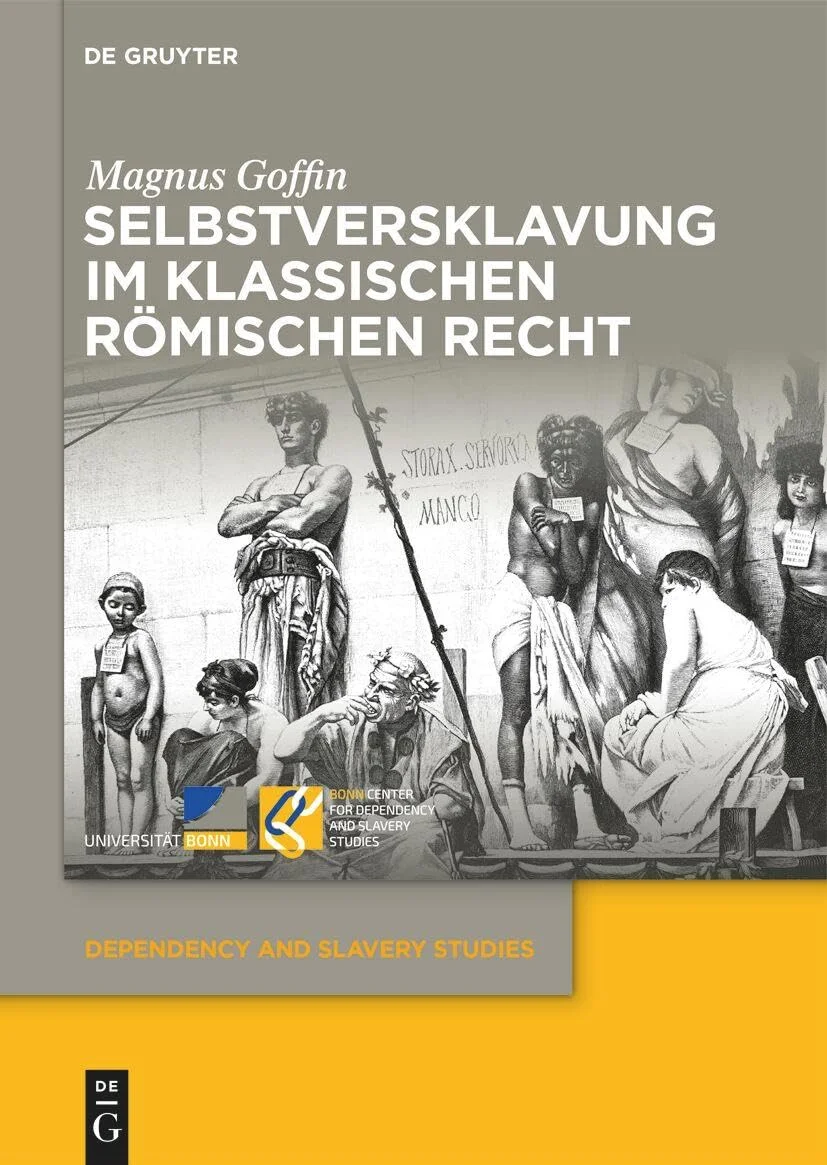
Magnus Goffin: Selbstversklavung im klassischen römischen Recht [Self-Enslavement in Classical Roman Law]
Aside from being born as a slave or being enslaved during war, classical legal sources recognize other cases in which it was no longer possible to regain at least freedom. One of these cases was sale for the purpose of participating in the purchase price. This volume examines whether and how free individuals could enslave themselves, offering a legal and social-historical perspective on the ancient sources.
Dependency and Slavery Studies Series, Vol. 12
2024
Elke Brüggen and Marion Gymnich (eds.): Narratives of Dependency - Textual Representations of Slavery, Captivity, and Other Forms of Strong Asymmetrical Dependencies
Given that strong asymmetrical dependencies have shaped human societies throughout history, this kind of social relation has also left its traces in many types of texts. Using written and oral narratives in attempts to reconstruct the history of asymmetrical dependency comes along with various methodological challenges, as the 15 articles in this interdisciplinary volume illustrate. They focus on a wide range of different (factual and fictional) text types, including inscriptions from Egyptian tombs, biblical stories, novels from antiquity, the Middle High German Rolandslied, Ottoman court records, captivity narratives, travelogues, the American gift book The Liberty Bell, and oral narratives by Caribbean Hindu women. Most of the texts discussed in this volume have so far received comparatively little attention in slavery and dependency studies. The volume thus also seeks to broaden the archive of texts that are deemed relevant in research on the histories of asymmetrical dependencies, bringing together perspectives from disciplines such as Egyptology, theology, literary studies, history, and anthropology.
Dependency and Slavery Studies Series, Vol. 11
2024
Stephan Conermann, Claudia Rauhut, Ulrike Schmieder and Michael Zeuske (eds.): Cultural Heritage and Slavery - Perspectives from Europe
In the recent cultural heritage boom, community-based and national identity projects are intertwined with interest in cultural tourism and sites of the memory of enslavement. Questions of historical guilt and present responsibility have become a source of social conflict, particularly in multicultural societies with an enslaving past. This became apparent in the context of the Black Lives Matter movement in 2020, when statues of enslavers and colonizers were toppled, controversial debates about streets and places named after them re-ignited, and the European Union apologized for slavery after the racist murder of George Floyd. Related debates focus on museums, on artworks acquired unjustly in societies under colonial rule, the question of whether and how museums should narrate the hidden past of enslavement and colonialism, including their own colonial origins with respect to narratives about presumed European supremacy, and the need to establish new monuments for the enslaved, their resistance, and abolitionists of African descent.
Dependency and Slavery Studies Series, Vol. 10
2023
Stephan Conermann, Youval Rotman, Ehud R. Toledano and Rachel Zelnick-Abramovitz (eds.): Comparative and Global Framing of Enslavement
The study of enslavement has become urgent over the last two decades. Social scientists, legal scholars, human rights activists, and historians, who study forms of enslavement in both modern and historical societies, have sought – and often achieved – common conceptual grounds, thus forging a new perspective that comprises historical and contemporary forms of slavery. What could certainly be termed a turn in the study of slavery has also intensified awareness of enslavement as a global phenomenon, inviting a comparative, trans-regional approach across time-space divides. Though different aspects of enslavement in different societies and eras are discussed, each of the volume’s three parts contributes to, and has benefitted from, a global perspective of enslavement. The chapters in Part One propose to structure the global examination of the theoretical, ideological, and methodological aspects of the "global," "local," and "glocal." Part Two, "Regional and Trans-regional Perspectives of the Global," presents, through analyses of historical case studies, the link between connectivity and mobility as a fundamental aspect of the globalization of enslavement. Finally, Part Three deals with personal points of view regarding the global, local, and glocal. Grosso modo, the contributors do not only present their case studies, but attempt to demonstrate what insights and added-value explanations they gain from positioning their work vis-à-vis a broader "big picture."
Dependency and Slavery Studies Series, Vol. 9
2023
Jeannine Bischoff, Stephan Conermann and Marion Gymnich (eds.): Naming, Defining, Phrasing Strong Asymmetrical Dependencies - A Textual Approach
An examination of the terms used in specific historical contexts to refer to those people in a society who can be categorized as being in a position of 'strong asymmetrical dependency' (including slavery) provides insights into the social categories and distinctions that informed asymmetrical social interactions. In a similar vein, an analysis of historical narratives that either justify or challenge dependency is conducive to revealing how dependency may be embedded in (historical) discourses and ways of thinking. The eleven contributions in the volume approach these issues from various disciplinary vantage points, including theology, global history, Ottoman history, literary studies, and legal history. The authors address a wide range of different textual sources and historical contexts – from medieval Scandinavia and the Fatimid Empire to the history of abolition in Martinique and human rights violations in contemporary society. While the authors contribute innovative insights to ongoing discussions within their disciplines, the articles were also written with a view to the endeavor of furthering Dependency Studies as a transdisciplinary approach to the study of human societies past and present.
Dependency and Slavery Studies Series, Vol. 8
2023
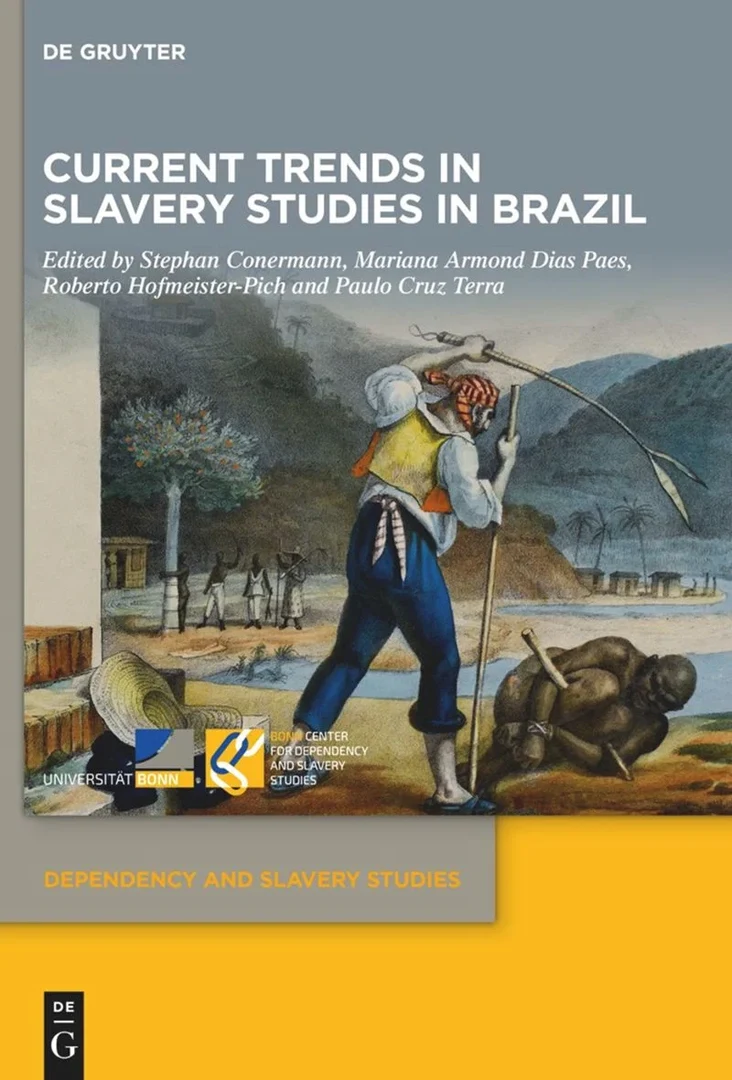
Stephan Conermann, Mariana Armond Dias Paes, Roberto Hofmeister-Pich and Paulo Cruz Terra (eds.): Current Trends in Slavery Studies in Brazil
African slaves were brought into Brazil as early as 1530, with abolition in 1888. During those three centuries, Brazil received 4,000,000 Africans, over four times as many as any other American destination. Comparatively speaking, Brazil received 40% of the total number of Africans brought to the Americas, while the US received approximately 10%. Due to this huge influx of Africans, today Brazil’s African-descended population is larger than the population of most African countries. Therefore, it is no surprise that Slavery Studies are one of the most consolidated fields in Brazilian historiography. In the last decades, a number of discussions have flourished on issues such as slave agency, slavery and law, slavery and capitalism, slave families, demography of slavery, transatlantic slave trade, abolition etc. In addition to these more consolidated fields, current research has focused on illegal enslavement, global perspectives on slavery and the slave trade, slavery and gender, the engagement of different social groups in the abolitionist movement or Atlantic connections. Taking into consideration these new trends of Brazilian slavery studies, this volume of collected articles gives leading scholars the chance to present their research to a broader academic community. Thus, the interested reader get to know in more detail these current trends in Brazilian historiography on slavery.
Dependency and Slavery Studies Series, Vol. 7
2023
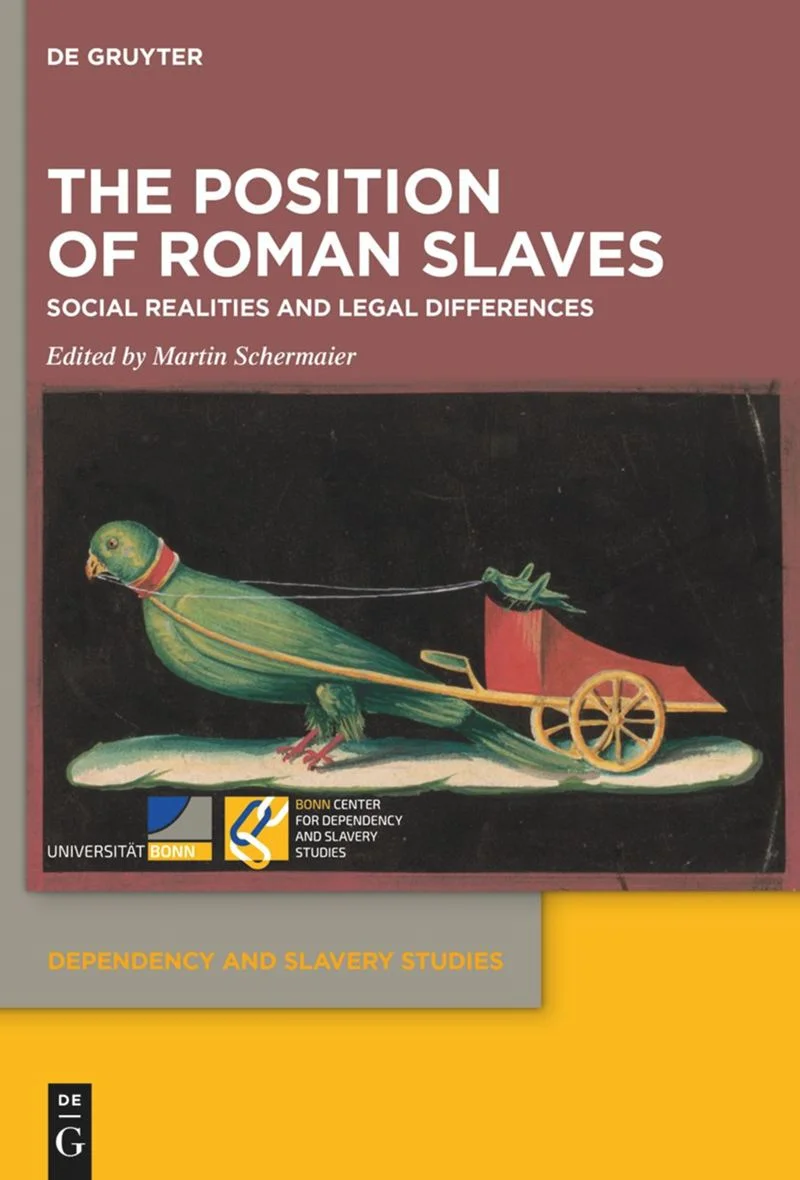
Martin Schermaier (ed.): The Position of Roman Slaves - Social Realities and Legal Differences
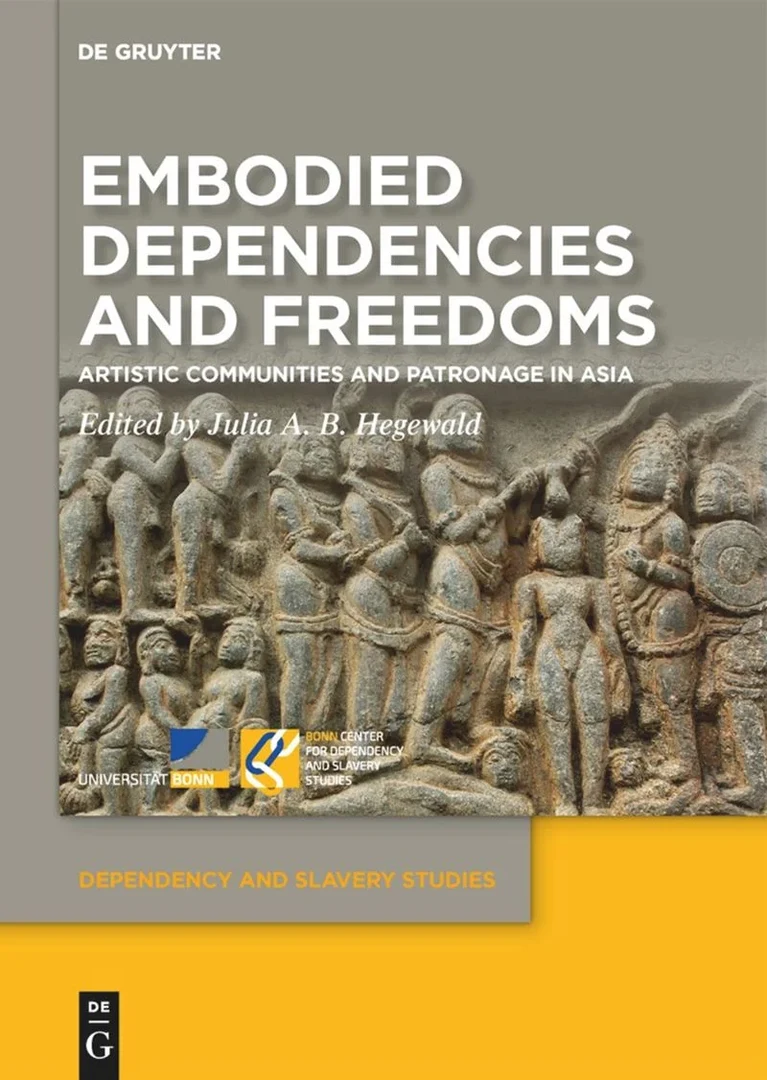
Julia A. B. Hegewald (ed.): Embodied Dependencies and Freedoms - Artistic Communities and Patronage in Asia
Have you ever thought about dependencies in Asian art and architecture?
Most people would probably assume that the arts are free and that creativity and ingenuity function outside of such reliances. However, the 13 chapters provided by specialists in the fields of Asian art and architecture in this volume show, that those active in the visual arts and the built environment operate in an area of strict relations of often extreme dependences. Material artefacts and edifices are dependent on the climate in which they have been created, on the availability of resources for their production, on social and religious traditions, which may be oral or written down and on donors, patrons and the art market. Furthermore, gender and labour dependencies play a role in the creation of the arts as well. Despite these strong and in most instances asymmetrical dependencies, artists have at all times found freedoms in expressing their own imagination, vision and originality.
This shows that dependencies and freedoms are not necessarily strictly separated binary opposites but that, at least in the area of the history of art and architecture in Asia, the two are interconnected in what are often complex and multifaceted layers.
Dependency and Slavery Studies Series, Vol. 5
2023
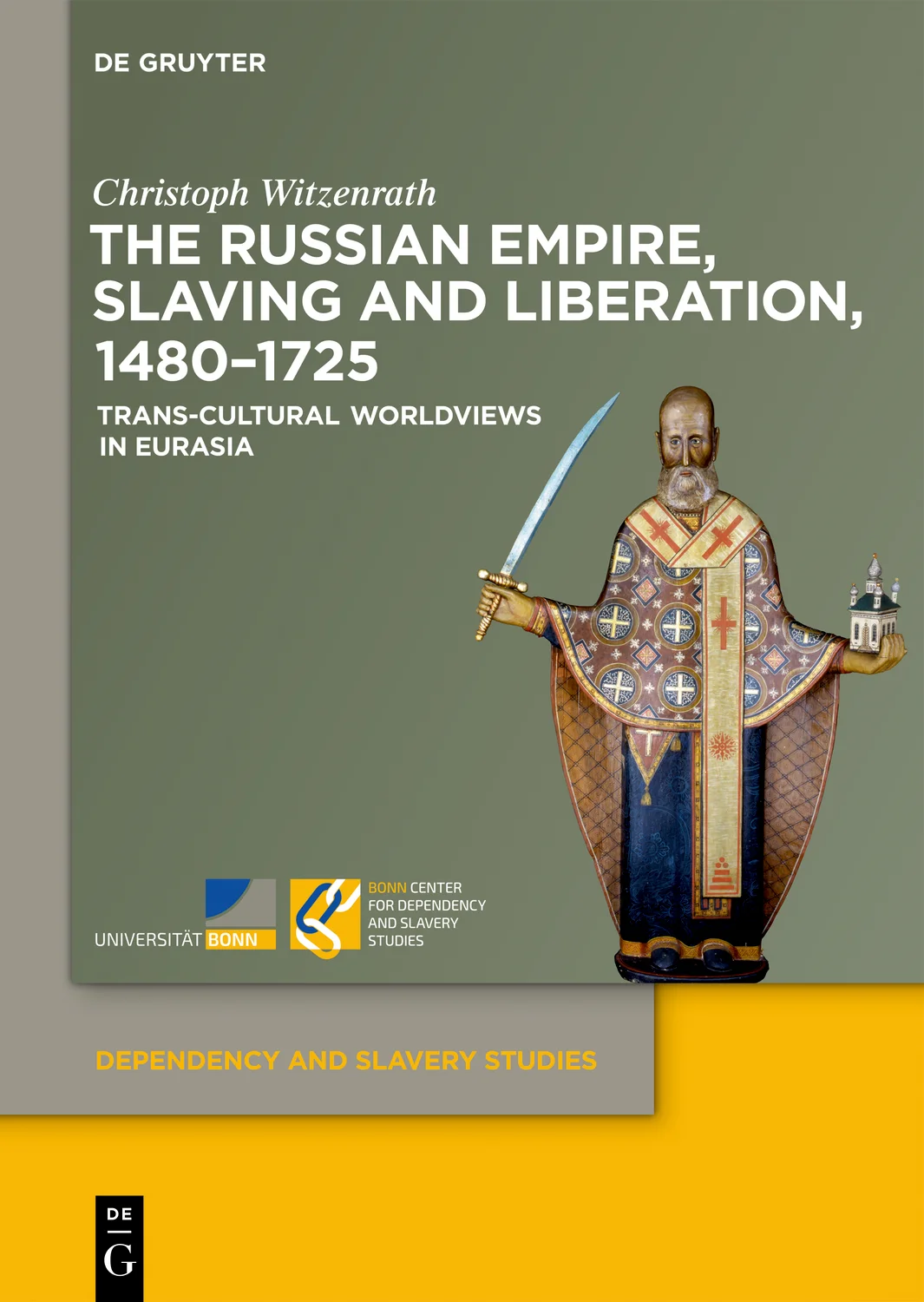
Christoph Witzenrath: The Russian Empire, Slaving and Liberation, 1480-1725 - Trans-cultural Worldviews in Eurasia
The monograph realigns political culture and countermeasures against slave raids, which increased during the breakup of the Golden Horde. By physical defense of the open steppe border and by embracing the New Israel symbolism in which the exodus from slavery in Egypt prefigures the exodus of Russian captives from Tatar captivity, Muscovites found a defensive model to expand empire. Recent scholarly debates on slaving are innovatively applied to Russian and imperial history, challenging entrenched perceptions of Muscovy.
Dependency and Slavery Studies Series, Vol. 4
2022
Kate Ekama, Lisa Hellman, Matthias van Rossum (eds.): Slavery and Bondage in Asia, 1550–1850 - Towards a Global History of Coerced Labour
The study of slavery and coerced labour is increasingly conducted from a global perspective, and yet a dual Eurocentric bias remains: slavery primarily brings to mind the images of Atlantic chattel slavery, and most studies continue to be based – either outright or implicitly – on a model of northern European wage labour. This book constitutes an attempt to re-centre that story to Asia.
With studies spanning the western Indian Ocean and the steppes of Central Asia to the islands of South East Asia and Japan, and ranging from the sixteenth to the nineteenth century, this book tracks coercion in diverse forms, tracing both similarities and differences – as well as connections – between systems of coercion, from early sales regulations to post-abolition labour contracts.
Deep empirical case studies, as well as comparisons between the chapters, all show that while coercion was entrenched in a number of societies, it was so in different and shifting ways. This book thus not only shows the history of slavery and coercion in Asia as a connected story, but also lays the groundwork for global studies of a phenomenon as varying, manifold and contested as coercion.
Dependency and Slavery Studies Series, Vol. 3
2022
Michael Zeuske: Sklaverei und Sklavenhandel in Afrika, auf dem Atlantik und in den Amerikas sowie in Europa [Africa – Atlantic – America - Slavery and the Slave Trade in Africa, the Atlantic, the Americas, and Europe]
The main focus of the book is the spaces mentioned in the title in relation to the system of Atlantic slavery (Africa, Atlantic, America, Europe – AAAE). Atlantic slavery or Atlantic slaveries are understood to be twofold: (1) the slavery regimes on African and American land, including the islands; (2) the enslavement and transportation by land and sea, to which the slave trade on the Atlantic (middle passage) belongs.
The main research findings of this book can be expressed via the following theses:
1) By docking on Africa and controlling the middle passage of Atlantic slavery as well as the colonies in the Americas, Europe rose to become a global power.
2) Atlantic slavery originated in Africa in the 15th century and was maintained by African elites, including Muslims, to the end - in the Western Hemisphere until around 1890; in Africa and other areas for longer.
3) The main carriers of the Atlantic slavery were European-Americans, i.e. Christian Iberians (mainly from Portugal and Spain and from their colonial or ex colonial areas, first of all in the Americas, for example Brazil and Cuba) who dominated the south-south connection of the slavery-Atlantic. The bulk of the ships of the Atlantic slave trade sailed between the Americas and Africa. During the so-called "abolition era" (1794–1888), these Iberian carriers, supported by US captains and slave traders, acted as main slave smugglers and traffickers on the hidden Atlantic.
4) In all the Americas, from North to South, slavery regimes, including indigenous, missionary, and frontier slavery of castas (non-whites), existed before, during, and after the European colonialism (colonial settlers and indigenous slavery; settlers as slaves of indigenous people, missionary and casta slaveries beginning with colonialism); the latter are grouped under "other slaveries" in the book.
5) The Atlantic slavery of the Iberians was put through as the dominant slavery regime by colonial structures and elite activities, surpassed only by internal slavery in the United States in the 19th century.
6) Sugar plantation slavery was the leading resource of modernity, followed by coffee and cotton. It founded the independent industrial revolutions of the Second Slavery.
7) It was despite or because of the formal abolitions of slavery that this Second Slavery (this is one of the most important concepts of the book) that occured mainly in southern US, in western Cuba (Cuba grande) and southern Brazil in the 19th century, brought an independent, still partly colonial, capitalist slavery modernity to the fore.
Dependency and Slavery Studies Series, Vol. 2
2022
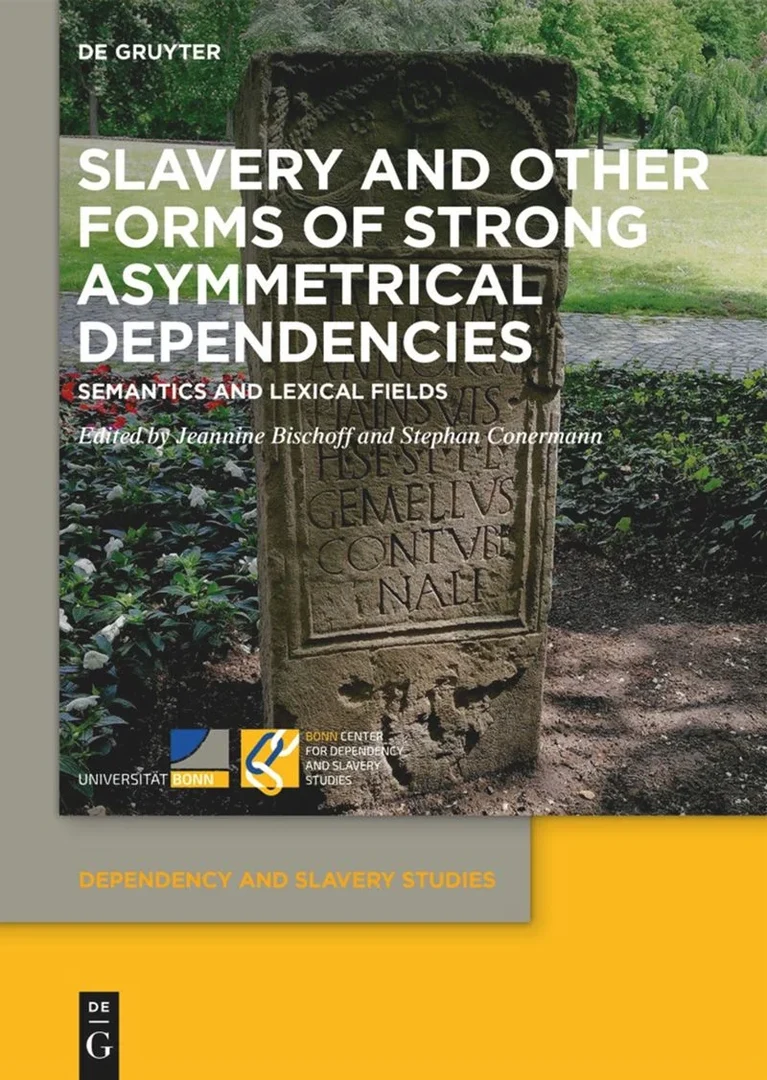
Jeannine Bischoff and Stephan Conermann (eds.): Slavery and Other Forms of Strong Asymmetrical Dependencies - Semantics and Lexical Fields
In this volume, we approach the phenomenon of slavery and other types of strong asymmetrical dependencies from two methodologically and theoretically distinct perspectives: semantics and lexical fields.
Detailed analyses of key terms that are associated with the conceptualization of strong asymmetrical dependencies promise to provide new insights into the self-concept and knowledge of pre-modern societies. The majority of these key terms have not been studied from a semantic or terminological perspective so far.
Our understanding of lexical fields is based on an onomasiological approach – which linguistic items are used to refer to a concept? Which words are used to express a concept? This means that the concept is a semantic unit which is not directly accessible but may be manifested in different ways on the linguistic level. We are interested in single concepts such as 'wisdom' or 'fear,' but also in more complex semantic units like 'strong asymmetrical dependencies.'
In our volume, we bring together and compare case studies from very different social orders and normative perspectives. Our examples range from Ancient China and Egypt over Greek and Maya societies to Early Modern Russia, the Ottoman Empire and Islamic and Roman law.
Dependency and Slavery Studies Series, Vol. 1
2022