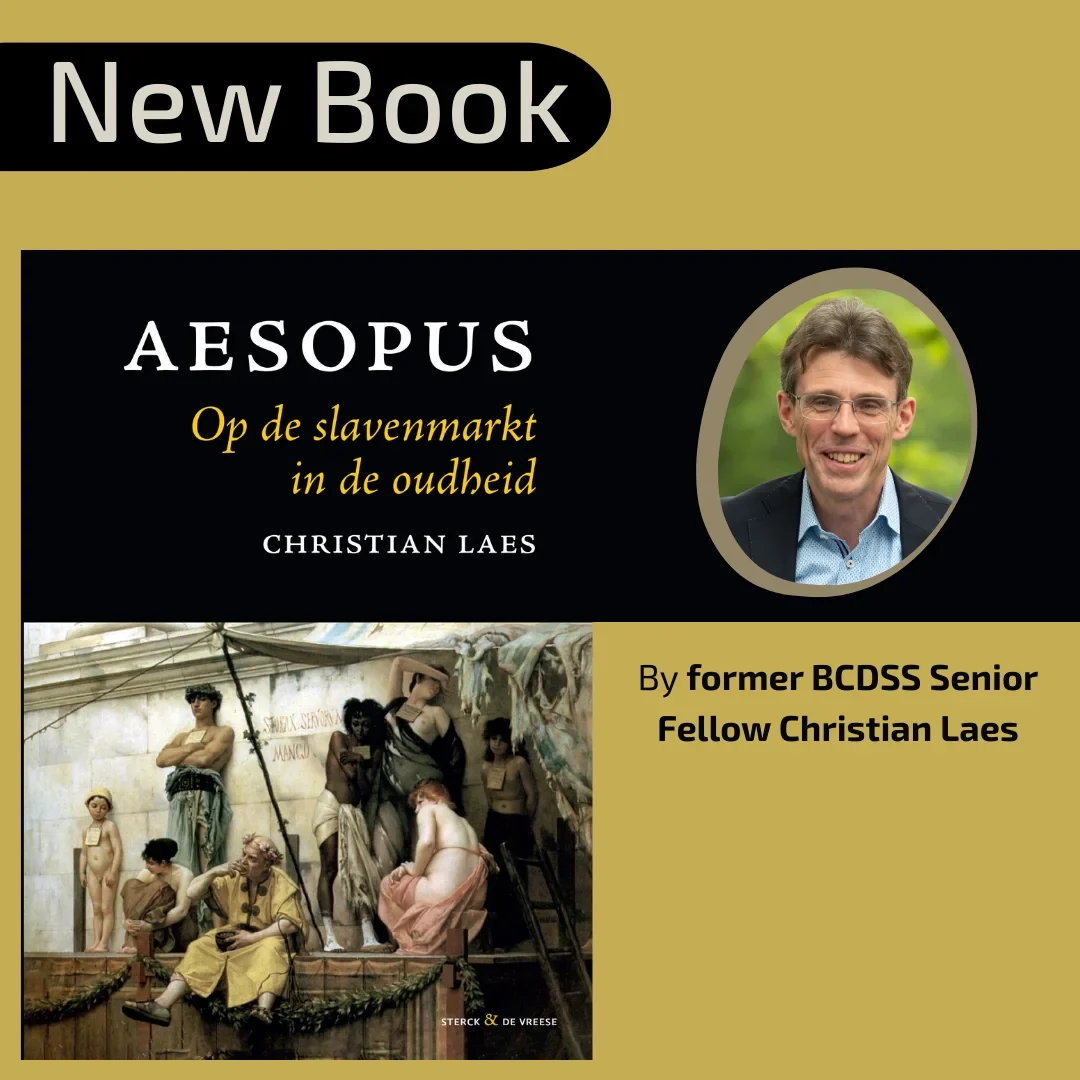
In the first or second century, an anonymous author wrote The Life of Aesop: a mischievous picaresque novel about the life of a Greek slave, anti-hero, and fabulist. Although seen as one of the most remarkable and sparkling products of ancient Greek literature, it has remained largely unknown.
Using this novel as a starting point, Christian Laes takes readers into daily life of the time. Slaves speak out, complaining about their fate and creatively seeking ways to build a better existence. Body and desire, physicality and sex, are striking themes, as are food and culinary pleasures. Intellectuals and their conceit appear unabashedly on stage. And, of course, the relationship between men and women in an elite household cannot be overlooked.
In this book, Christian Laes presents the first Dutch translation of the novel and uses it to show what slave life in antiquity really looked like. A lesson in the history of mentalities that fascinates and lingers.